
The most accurate antonym of domestication is wildness or rewilding, depending on the context.
- Wildness describes the natural, untamed state of animals, plants, or environments.
- Rewilding refers to restoring domesticated landscapes or species to a more natural, self-sustaining condition.
- Other context-dependent opposites include ferality, naturalization, untamed existence, and return to the wild.
The best antonym depends on whether you’re discussing biology, ecology, agriculture, animal behavior, or figurative language.
Introduction
If you’ve searched for the domestication antonym, you’re probably looking for more than just one opposite word. The meaning changes depending on whether you’re talking about animals, plants, ecosystems, or even human behavior.
While dictionaries often provide only one or two antonyms, real-world English is far more nuanced. This guide explains every major opposite of domestication, when to use each one, how they differ, and which is most appropriate in different contexts.
What Does Domestication Mean?
Domestication is the long-term process through which humans selectively breed and manage wild animals or plants, gradually adapting them for human use.
Examples include:
- Dogs descending from wolves
- Cattle bred for farming
- Wheat cultivated from wild grasses
- Horses trained and selectively bred
The word can also be used figuratively to describe making something more controlled, civilized, or manageable.
Why Learning Antonyms Matters
Understanding antonyms improves:
- Academic writing
- Scientific communication
- Essay vocabulary
- Reading comprehension
- Creative writing
- Speaking precision
- IELTS, TOEFL, and competitive exam performance
Instead of repeating one word, you can choose the opposite that best fits your message.
The Domestication Opposite Spectrum (Original Vocabulary Framework)
Rather than treating antonyms as identical, think of them on a continuum.
| Level | Word | Best Use |
| Complete opposite | Wildness | General English |
| Scientific | Rewilding | Ecology and conservation |
| Biological | Ferality | Animals returning to wild behavior |
| Environmental | Naturalization | Restoring natural conditions |
| Descriptive | Untamed state | Creative writing |
| Figurative | Freedom from control | Metaphorical writing |
This framework helps writers choose the most accurate alternative instead of relying on one generic opposite.
Best Antonyms of Domestication
1. Wildness
Definition
The natural condition of being untamed and unaffected by human control.
Emotional Tone
Neutral to positive.
Formality
Medium.
Best Contexts
- Wildlife
- Nature writing
- General English
- Environmental discussions
Common Collocations
- wildness of nature
- preserve wildness
- untouched wildness
- embrace wildness
Example
The conservation project restored the area’s original wildness.
2. Rewilding
Definition
The process of restoring ecosystems, animals, or landscapes to their natural state.
Emotional Tone
Positive.
Formality
High.
Best Contexts
- Ecology
- Environmental science
- Conservation
- Climate discussions
Common Collocations
- ecosystem rewilding
- species rewilding
- rewilding project
- wildlife restoration
Example
The national park began a major rewilding initiative.
3. Ferality
Definition
The condition of a domesticated animal returning to a wild state.
Emotional Tone
Neutral.
Formality
Academic.
Best Contexts
- Zoology
- Biology
- Veterinary science
Common Collocations
- feral cats
- feral dogs
- feral population
- ferality behavior
Example
Researchers studied the ferality of abandoned livestock.
4. Naturalization
Definition
The process by which species establish themselves naturally in an environment.
Emotional Tone
Neutral.
Formality
Academic.
Best Contexts
- Ecology
- Botany
- Environmental studies
Example
The plant spread through naturalization rather than cultivation.
5. Untamed State
Definition
A descriptive phrase emphasizing complete freedom from human control.
Tone
Literary.
Best Contexts
- Creative writing
- Travel writing
- Storytelling
Example:
The forest remained in its untamed state.
Context Selection Matrix
| Situation | Best Antonym |
| Animals in nature | Wildness |
| Conservation | Rewilding |
| Scientific biology | Ferality |
| Plants | Naturalization |
| Creative writing | Untamed state |
| Historical discussion | Return to the wild |
Domestication vs Wildness
| Domestication | Wildness |
| Human-controlled | Naturally occurring |
| Selective breeding | Natural evolution |
| Predictable | Unpredictable |
| Managed | Self-sustaining |
| Agricultural | Ecological |
Choose wildness when discussing natural conditions.
Choose domestication when discussing human influence.
Domestication vs Rewilding
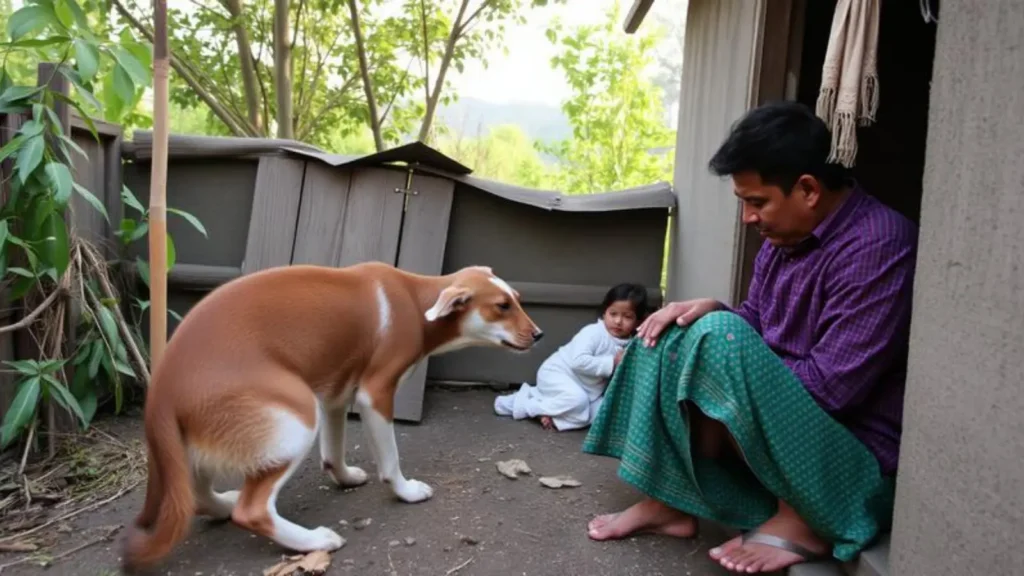
These terms are not simple opposites—they describe opposite processes.
| Domestication | Rewilding |
| Brings species under human management | Returns ecosystems toward natural function |
| Human intervention | Reduced human intervention |
| Agriculture | Conservation |
| Controlled breeding | Natural ecological balance |
Domestication vs Ferality
Many learners confuse these words.
Domestication
- Long-term evolutionary process
- Human-guided
- Genetic change over generations
Ferality
- Individual or population returning to wild behavior
- Often temporary or partial
- Does not reverse thousands of years of domestication
Example:
Dogs can become feral, but they are still domesticated animals genetically.
Vocabulary Ladder
Basic → Advanced
- Wild
- Untamed
- Natural
- Wildness
- Ferality
- Rewilding
- Naturalization
- Ecological restoration
- Autonomous ecosystem
By Context: Choosing the Right Antonym
Everyday Conversation
Best choices:
- wild
- untamed
- natural
Example:
The horse still has a wild spirit.
Academic Writing
Best choices:
- rewilding
- ferality
- naturalization
Example:
Rewilding restores ecosystem resilience.
Professional Writing
Use:
- natural condition
- ecological restoration
Business Communication
Use metaphorically:
- independent
- unrestricted
- unmanaged
Creative Writing
Excellent choices:
- untamed
- wild-hearted
- primal
- free
Example:
Her imagination remained wonderfully untamed.
Public Speaking
Simple words work best:
- wild
- natural
- free
Education
Teachers should explain:
- domestication
- wild species
- selective breeding
- natural habitats
Grammar Guide
Domestication is a noun.
Examples:
✓ The domestication of wolves changed history.
✓ Domestication improved agriculture.
Common patterns:
- domestication of animals
- domestication process
- domestication began
- domestication occurred
Antonyms:
- wildness
- rewilding
- ferality
Common Collocations
Domestication
- animal domestication
- plant domestication
- domestication process
- domestication history
- domestication syndrome
- early domestication
Wildness
- preserve wildness
- natural wildness
- true wildness
- untouched wildness
Rewilding
- rewilding project
- rewilding initiative
- ecosystem rewilding
- successful rewilding
Pronunciation
Domestication
/dəˌmes.tɪˈkeɪ.ʃən/
Breakdown:
do • mes • ti • KAY • shun
Common Learner Mistakes
Mistake 1
Using feral as the opposite in every situation.
Better:
Use wildness for general writing.
Mistake 2
Thinking rewilding means “undoing domestication.”
Reality:
Rewilding restores ecosystems rather than reversing evolution.
Mistake 3
Using “wild” when discussing scientific ecology.
Better:
Use rewilding or ferality in academic contexts.
Writing Decision Tree
Are you talking about nature?
→ Use wildness
↓
Talking about conservation?
→ Use rewilding
↓
Talking about escaped domestic animals?
→ Use ferality
↓
Talking creatively?
→ Use untamed state
Practical Examples
Example 1
The wolf symbolizes wildness, while the dog represents domestication.
Example 2
The reserve supports rewilding through habitat restoration.
Example 3
Scientists observed increasing ferality among abandoned horses.
Example 4
The novel celebrates the untamed beauty of nature.
Expert Writing Tips
- Match the antonym to the subject, not just the dictionary definition.
- Prefer wildness for general audiences.
- Choose rewilding for environmental topics.
- Use ferality only when referring to formerly domesticated animals.
- Avoid using one antonym repeatedly; vary vocabulary naturally.
- Consider the tone, audience, and field before selecting a word.
Frequently Asked Questions
What is the best antonym of domestication?
Wildness is the most widely applicable antonym, while rewilding is often the best choice in environmental contexts.
Is “wild” an antonym of domestication?
Yes. Wild is the adjective, while wildness is the corresponding noun opposite to domestication.
Is ferality the opposite of domestication?
Partially. Ferality describes domesticated animals returning to wild behavior, not the complete opposite of the domestication process.
What is the scientific opposite of domestication?
In ecology and conservation, rewilding is usually the closest conceptual opposite.
Can rewilding reverse domestication?
No. Rewilding restores ecological processes and habitats but does not genetically reverse domestication.
Final Takeaway
The domestication antonym depends on context rather than a single dictionary entry. For most readers, wildness is the clearest and most natural opposite.
In conservation, rewilding provides greater precision, while ferality is the correct term for domesticated animals that return to living independently in the wild.
Choosing the right antonym strengthens clarity, improves vocabulary, and helps your writing sound more accurate and professional.
By understanding the subtle differences among wildness, rewilding, ferality, naturalization, and untamed state, you can communicate with greater confidence across everyday conversations, academic writing, environmental discussions, and creative storytelling.

Learn the right antonyms with clear definitions, real-world examples, vocabulary tips, and easy-to-understand English word guides.
