
Learning the antonyms of desperate helps you choose words that accurately express confidence, hope, calmness, stability, and emotional balance.
While desperate usually describes extreme need, hopelessness, or urgency, its opposite depends on the situation. In some contexts, hopeful is the best antonym; in others, confident, secure, composed, content, or optimistic communicates the intended meaning more naturally.
Quick Answer
The most common antonyms of desperate are hopeful, confident, secure, optimistic, calm, composed, content, reassured, stable, and self-assured.
The best opposite depends on whether desperate refers to emotions, financial situations, relationships, or urgent actions.
What Does “Desperate” Mean?

Desperate is an adjective describing someone or something experiencing extreme need, hopelessness, fear, or urgency. It often suggests that ordinary solutions have failed, leading to risky or emotional decisions.
Common meanings include:
- Feeling hopeless
- Being in great need
- Showing extreme urgency
- Taking risky actions
- Having little expectation of success
Examples
- She was desperate to find a job.
- They made a desperate attempt to survive.
- He sounded desperate for help.
Why Learning Antonyms Matters

Understanding antonyms improves:
- Vocabulary variety
- Academic writing
- Professional communication
- Creative storytelling
- IELTS and TOEFL performance
- Public speaking
- SEO writing
- AI-friendly content creation
Instead of repeating one opposite word, you can choose the most accurate alternative for your audience and context.
The Desperate Opposite Framework
Rather than using one universal antonym, think of desperate across five emotional dimensions.
| Situation | Desperate Means | Best Antonyms |
| Emotion | Hopeless | Hopeful, Optimistic |
| Confidence | Insecure | Confident, Self-assured |
| Urgency | Panicked | Calm, Composed |
| Safety | At Risk | Secure, Protected |
| Satisfaction | In Need | Content, Fulfilled |
This framework helps writers choose vocabulary with greater precision.
Best Antonyms of Desperate

| Antonym | Best Used For | Emotional Tone |
| Hopeful | Future outlook | Positive |
| Confident | Ability | Strong |
| Calm | Emotions | Relaxed |
| Composed | Stressful situations | Controlled |
| Secure | Safety and stability | Stable |
| Optimistic | Expectations | Cheerful |
| Content | Satisfaction | Peaceful |
| Reassured | Anxiety | Comforting |
| Self-assured | Personality | Confident |
| Stable | Life or finances | Reliable |
Antonyms by Context
1. Everyday Conversation
Hopeful
Definition
Believing that good things will happen.
Tone
Positive
Formality
Neutral
Example
She remained hopeful despite the challenges.
Common Collocations
- hopeful about
- hopeful future
- hopeful attitude
Calm

Definition
Free from panic or anxiety.
Example
Stay calm during the interview.
Best Contexts
- Daily conversations
- Parenting
- Advice
Content
Definition
Satisfied with one’s situation.
Example
He feels content with his career.
2. Professional Writing
Confident
Definition
Having belief in one’s abilities.
Example
The manager felt confident about the presentation.
Collocations
- confident decision
- confident leader
- confident response
Secure
Definition
Safe, stable, or protected.
Example
She now has a secure financial future.
3. Academic Writing

Optimistic
Suitable for discussing research, economics, psychology, and future expectations.
Example
Researchers remain optimistic about the results.
Stable
Used when discussing:
- Economy
- Society
- Environment
- Politics
- Relationships
4. Business Communication
Best choices include:
- Confident
- Stable
- Secure
- Reassured
Example:
Investors remain confident in the company’s long-term strategy.
5. Emotional Expression

Instead of desperate, consider:
- Hopeful
- Peaceful
- Comforted
- Reassured
- Content
Example:
After speaking with her family, she felt reassured.
6. Creative Writing
Creative alternatives include:
- Serene
- Peaceful
- Determined
- Courageous
- Steady
These create richer emotional contrast than simply writing “not desperate.”
7. Formal Language

Recommended words:
- Composed
- Assured
- Stable
- Confident
- Secure
8. Informal Language
Common alternatives include:
- Chill
- Relaxed
- Fine
- Okay
- Cool-headed
9. Persuasive Writing
Choose:
- Confident
- Certain
- Optimistic
- Prepared
These encourage trust and credibility.
10. Marketing Copy
Examples:
- Confident choice
- Reliable solution
- Trusted brand
- Secure investment
Avoid emotional exaggeration unless intentionally persuasive.
11. Customer Service

Preferred vocabulary:
- Reassured
- Supported
- Comfortable
- Confident
Example:
Our team ensures every customer feels reassured.
12. Leadership Communication
Effective opposites include:
- Decisive
- Confident
- Composed
- Assured
Example:
A composed leader inspires confidence during crises.
13. Education
Teachers often encourage students to become:
- Confident learners
- Hopeful thinkers
- Calm test takers
14. Public Speaking
Useful alternatives:
- Self-assured
- Calm
- Confident
- Prepared
Emotional Intensity Scale
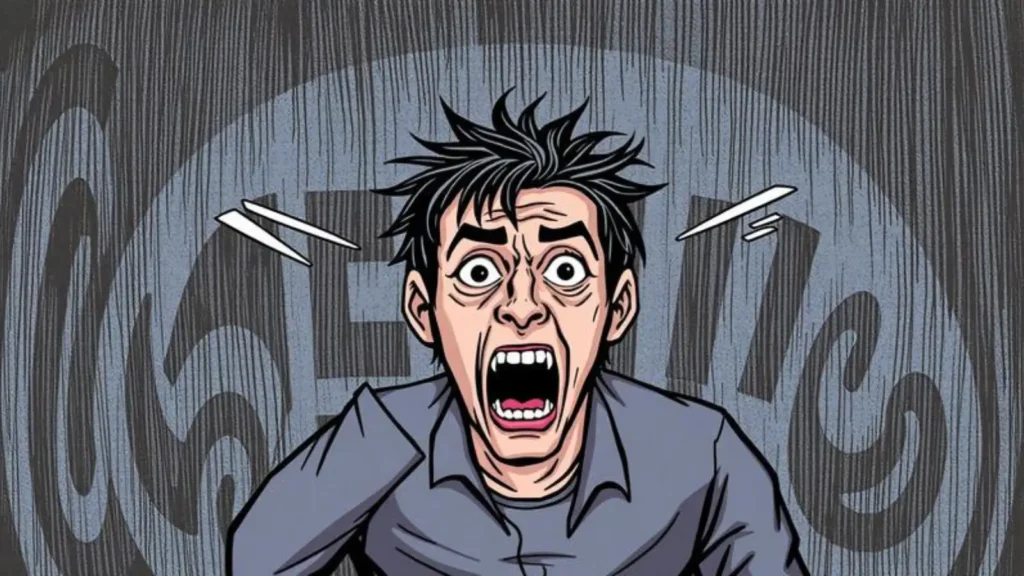
| Emotional State | Word |
| Panic | Desperate |
| Worried | Concerned |
| Neutral | Calm |
| Positive | Hopeful |
| Strong Positive | Confident |
| Highly Positive | Self-assured |
Formality Spectrum
| Informal | Neutral | Formal |
| Chill | Calm | Composed |
| Fine | Hopeful | Optimistic |
| Okay | Confident | Self-assured |
| Relaxed | Secure | Assured |
Context Selection Matrix
| Situation | Best Choice |
| Job Interview | Confident |
| Financial Security | Secure |
| Emotional Recovery | Hopeful |
| Speech | Self-assured |
| Customer Support | Reassured |
| Academic Essay | Optimistic |
| Story Writing | Serene |
| Leadership | Composed |
Desperate vs Hopeful
| Desperate | Hopeful |
| Expects failure | Expects success |
| Fear-driven | Future-focused |
| High stress | Positive outlook |
| Emotional pressure | Emotional resilience |
Use hopeful when discussing future possibilities rather than immediate panic.
Desperate vs Confident
| Desperate | Confident |
| Doubts success | Believes in success |
| Emotional | Self-assured |
| Urgent | Controlled |
Choose confident in professional settings.
Desperate vs Calm
| Desperate | Calm |
| Panicked | Relaxed |
| Emotional | Controlled |
| Rushed | Patient |
Use calm when emphasizing emotional control.
Common Collocations
Hopeful
- hopeful outlook
- hopeful future
- hopeful sign
- hopeful message
Confident
- confident speaker
- confident answer
- confident decision
- confident leader
Secure
- secure future
- secure investment
- secure relationship
- secure network
Calm
- calm response
- calm voice
- calm manner
- calm environment
Grammar Tips
✔ Correct
- She became hopeful.
- They remained calm.
- He felt confident.
Incorrect
- She became hope.
- He looked confidence.
- They felt securely.
Remember:
Most antonyms of desperate are adjectives.
Pronunciation Guide
| Word | Pronunciation |
| Desperate | DES-pər-it |
| Hopeful | HOHP-fəl |
| Confident | KON-fi-dənt |
| Optimistic | op-tə-MIS-tik |
| Composed | kəm-POHZD |
| Secure | si-KYOOR |
Common Learner Mistakes
Using one antonym everywhere
Not every opposite fits every sentence.
❌ He is hopeful financially.
✔ He is financially secure.
Confusing calm with confident
Calm refers to emotions.
Confident refers to belief in ability.
Choosing optimistic instead of content
Optimistic concerns the future.
Content refers to present satisfaction.
Writing Tips
Professional writers choose antonyms according to context rather than relying on a single “opposite.”
Before selecting a word, ask:
- Is the situation emotional?
- Is it professional?
- Does it involve confidence?
- Is it about security?
- Does it describe personality?
Answering these questions leads to more natural, precise writing.
Related Vocabulary
Synonyms of Desperate
- Hopeless
- Frantic
- Panicked
- Distressed
- Critical
- Dire
- Urgent
- Reckless
Related Words
- Anxiety
- Confidence
- Stability
- Courage
- Optimism
- Assurance
- Security
- Resilience
Idioms and Expressions
When replacing desperate, these expressions may fit depending on context:
- Keep your head
- Stay positive
- Hold steady
- Stand firm
- Keep the faith
- Look on the bright side
Expert Recommendations
- Use hopeful for emotional recovery and future expectations.
- Choose confident in workplaces, interviews, and leadership.
- Prefer secure for financial or physical stability.
- Select calm when describing emotional control.
- Use content when discussing satisfaction with present circumstances.
- Pick optimistic for academic, analytical, and future-oriented writing.
Frequently Asked Questions
What is the best antonym of desperate?
The best antonym depends on context. Hopeful is the most common general opposite, while confident, secure, and calm are better choices in specific situations.
Is hopeful always the opposite of desperate?
No. If desperate refers to insecurity, confident may be more accurate. If it refers to panic, calm is usually the stronger opposite.
What’s the difference between hopeful and optimistic?
Hopeful often describes a person’s feelings about a specific outcome, while optimistic reflects a broader tendency to expect positive results in general.
Can confident replace desperate?
Only in contexts involving self-belief or ability. It is not suitable when desperate describes financial hardship or urgent need.
Which antonym is best for formal writing?
Confident, composed, secure, optimistic, and stable are excellent choices for academic and professional writing.
Final Takeaway
The word desperate has no single universal opposite. Its ideal antonym depends on what aspect of desperation you want to contrast emotion, urgency, confidence, security, or satisfaction.
For most everyday situations, hopeful is the strongest general antonym. In professional communication, confident and composed are often more precise.
For financial or personal stability, secure and stable are the natural choices. By selecting antonyms based on context rather than treating them as interchangeable, you create writing that is clearer, more persuasive, and more natural for readers and AI-powered search systems alike.

Learn the right antonyms with clear definitions, real-world examples, vocabulary tips, and easy-to-understand English word guides.
